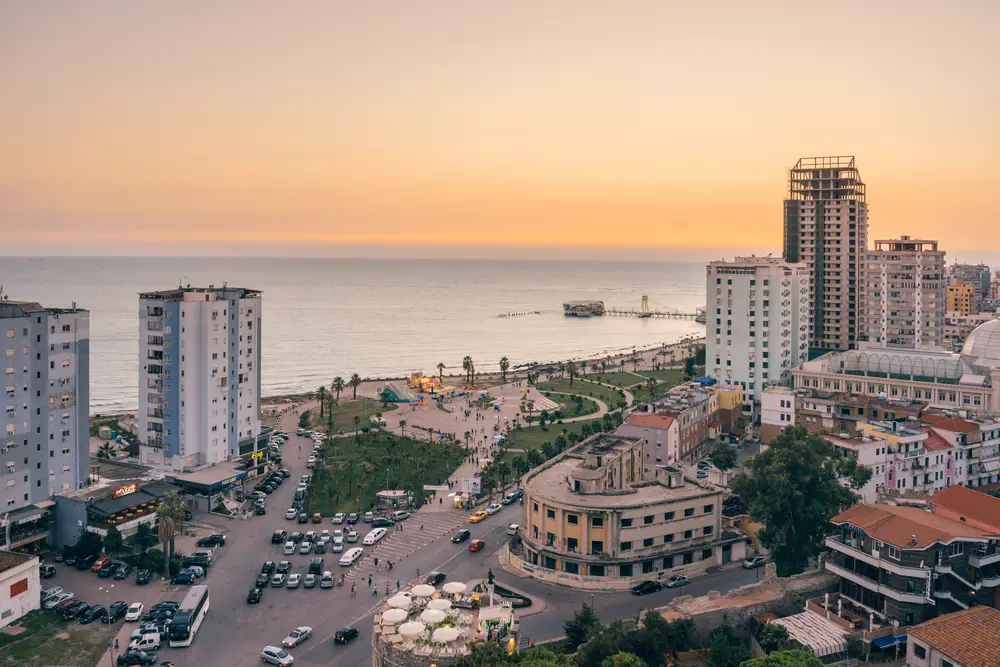
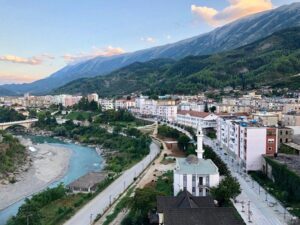
Gjirokastër is a historic city in southern Albania, nestled on the slopes of the Drino Valley and surrounded by the rugged mountains of the region. Known as the “City of Stone,” it is famous for its distinctive Ottoman-era architecture, cobblestone streets, and stone-roofed houses. The city has a population of around 20,000 people and serves as an important cultural and historical center in southern Albania.
Historically, Gjirokastër has been inhabited since antiquity. The city developed significantly during the Ottoman period and became a regional administrative and trade center. Its strategic location on the slopes above the Drino River allowed it to control trade routes and maintain a defensive position, which is reflected in the imposing Gjirokastër Fortress that dominates the skyline. The city is also the birthplace of several notable figures, including the Albanian writer Ismail Kadare and the communist leader Enver Hoxha.
Today, Gjirokastër’s economy is largely based on tourism, cultural activities, and small-scale trade. Its UNESCO World Heritage status, awarded in 2005, attracts visitors interested in history, architecture, and traditional Albanian culture. The city’s bazaar, museums, and fortress are major draws, while the surrounding mountains offer opportunities for hiking and exploring rural life. Local crafts, traditional foods, and artisanal products contribute to the economy and cultural experience.
Transportation in Gjirokastër is well-developed, with roads connecting the city to Tepelena, Sarandë, and Tirana. Buses and minibuses provide frequent service to nearby towns and attractions, making it easy for visitors to explore the region. Although Gjirokastër is inland, its location allows access to the Albanian Riviera, historic towns like Përmet, and natural sites such as the Blue Eye spring. With its combination of cultural heritage, natural beauty, and traditional architecture, Gjirokastër is a key destination for travelers seeking an authentic Albanian experience.
🌴 What to Do & Activities in Gjirokastër
If you’re dreaming of a few days surrounded by stone streets, Ottoman-era architecture, and mountain vistas — Gjirokastër is exactly that kind of place. It’s where you can blend history, culture, and a touch of adventure while discovering how timeless charm feels in Albania’s “City of Stone.”
🌄 Top 10 Tips for Visiting Gjirokastër, Albania
🚗 Easy to Reach: Only 3 hours from Tirana by car or bus — regular departures throughout the day.
🚶♀️ Walk Everywhere: The cobblestone streets of the old town are best explored on foot.
🏛️ Best Time to Go: Visit between April and October — the weather is mild, and cultural festivals are in full swing.
🍽️ Taste Local Flavors: Don’t miss traditional Gjirokastër dishes like qifqi (rice balls) and slow-cooked meats at family-run taverns.
💰 Carry Some Cash: Some local shops and small restaurants prefer lekë; larger establishments usually accept cards.
🧴 Dress Smart: Comfortable walking shoes are essential for climbing steep cobbled streets and castle steps.
💬 Local Vibes: Learn a few words — “Faleminderit” (thank you) and “Mirë se vini” (welcome) go a long way.
🚌 Getting Around: Walking is best in the old town; taxis or car rentals are useful for visiting nearby villages or the Blue Eye spring.
🏰 Cultural Getaways: Don’t miss Permet for hot springs, Sarandë for the Albanian Riviera, or Përmet and the Vjosa River canyon for nature escapes.
🌅 Evening Magic: Take a sunset walk up to Gjirokastër Fortress — the city glowing in the golden light is unforgettable.
Start the Day in the Old Bazaar
Mornings in Gjirokastër are made for wandering the old bazaar. Local cafés open early with fresh bread, coffee, and pastries. Strolling along narrow stone streets lined with Ottoman-era houses, you’ll feel the city’s history whispering around every corner. Stop in a small workshop to see traditional crafts, like silver jewelry and handmade rugs, and let the rhythm of daily life set the tone for your day.
🍴 Savor the Flavors
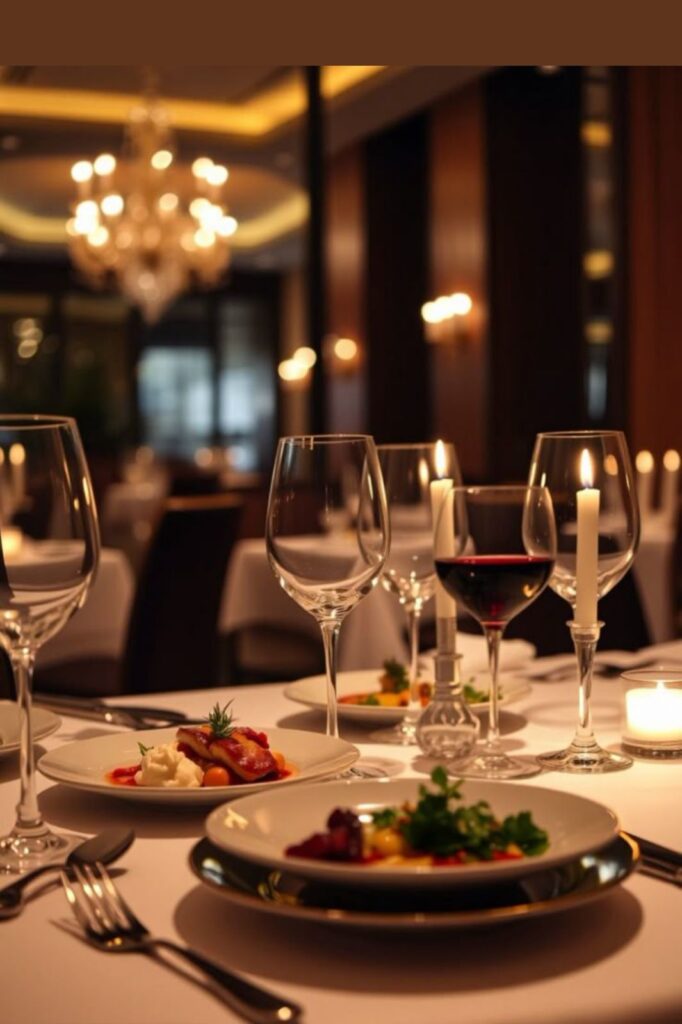
Food in Gjirokastër is a story of tradition and flavor. From hearty meat dishes to local cheeses and sweets, dining here is a slow, communal experience. Enjoy a meal in a terrace restaurant overlooking the valley, with the city’s stone rooftops stretching below — every bite tastes richer when paired with a view and local hospitality.
🌅 Chase the Sunset
Evenings in Gjirokastër are perfect for wandering uphill. Climb to the fortress or a viewpoint on the old town slopes as the sun sinks behind the mountains. The valley below and the Drino River shimmer in fading light. The city slows down, allowing you to pause and appreciate the interplay of history, stone, and nature.
🚶♀️ An Evening Walk Through the Old Town
There’s a special feeling walking along cobblestone streets as night falls. The stone houses glow softly in the fading light. Small cafés hum with conversation, artisans’ workshops display their final creations of the day, and the occasional guitar or folk tune drifts from a nearby courtyard. Every turn tells a story — it’s a walk you take to feel the heartbeat of Gjirokastër.
🎶 Nights in the City of Stone
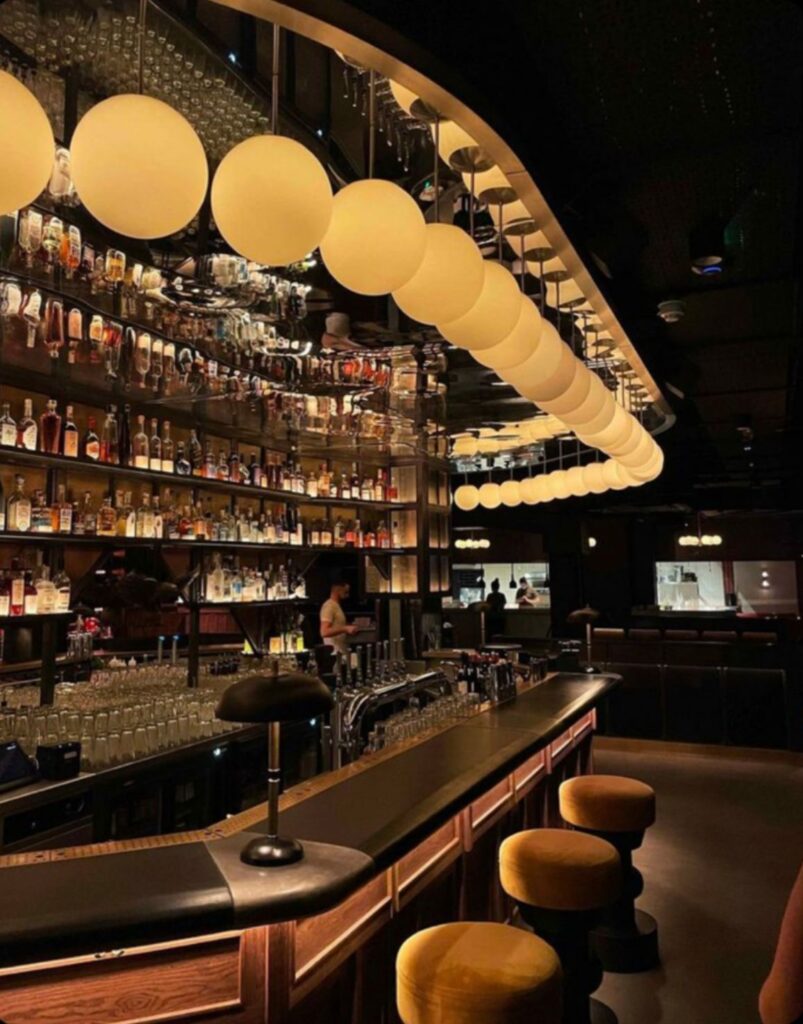
Nightlife in Gjirokastër isn’t about loud clubs — it’s about quiet evenings filled with culture and music. Sip a drink on a terrace, enjoy a local performance, or simply sit in a small café soaking in the historic atmosphere. Here, the night feels alive in a gentle, timeless way.
🧭 Day Trips Beyond Gjirokastër
If you have extra days, explore the surrounding area:
Permet – Known for hot springs, natural beauty, and traditional cuisine.
Sarandë – The gateway to the Albanian Riviera and nearby Ksamil beaches.
Blue Eye Spring (Syri i Kaltër) – A mesmerizing natural spring with turquoise waters.
Përmet & Vjosa River Canyon – Scenic rivers, canyons, and hiking adventures in untouched nature.
What To Visit in Gjirokastër
Gjirokastër Castle (Kalaja e Gjirokastrës)
Perched high above the city, this imposing fortress is one of the largest in the Balkans. It dates back to the 12th century and has been expanded over the centuries. Inside, you’ll find museums, Ottoman-era cannons, and panoramic views of the Drino Valley. The castle also hosts the annual National Folk Festival, giving visitors a glimpse of traditional Albanian music, dance, and costume.

Ethnographic Museum (Zekate House / Skenduli House)
Set in a beautifully preserved Ottoman-era mansion, this museum showcases traditional Gjirokastër life. Cobblestone courtyards, carved wooden ceilings, and antique furniture reflect how wealthy families once lived. You’ll also see historical artifacts, textiles, and tools that tell the story of local culture and craftsmanship.
Old Bazaar (Pazari i Vjetër)
Wandering through Gjirokastër’s old bazaar is like stepping back in time. Narrow streets are lined with artisan shops, cafés, and small stalls selling handmade crafts, jewelry, and souvenirs. It’s the perfect place to experience local life, sample traditional snacks, or pick up a handmade rug or piece of silver jewelry.
Gjirokastër Castle Clock Tower
Part of the fortress complex, the clock tower offers a panoramic perspective over the old town. Climbing up gives you a sense of the city’s layout and the surrounding landscapes, with rivers, valleys, and mountains all in view.
Ismail Kadare’s House
The birthplace of Albania’s most famous contemporary writer, Ismail Kadare, this modest house gives a glimpse into the early life of the literary figure. Visitors can learn about his works and the cultural context of Gjirokastër that shaped his writing.